Defining proteoform biology through top-down mass spectrometry
We develop chemical and measurement strategies to understand how phosphorylation and other covalent modifications regulate protein structure, function, and disease-relevant phenotypes.
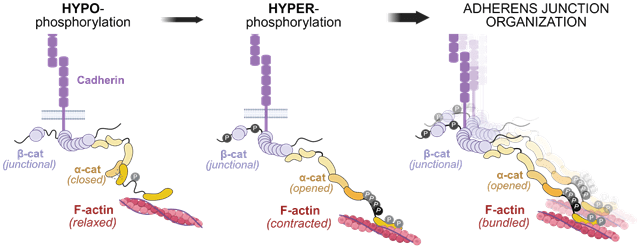
The Huang Research Group at Texas A&M University studies how chemically defined proteoforms encode cellular states. By integrating top-down proteomics, chemical biology, and quantitative mass spectrometry, we connect protein chemistry to structure, signaling behavior, and disease mechanisms.
Proteoform Measurement
Top-down mass spectrometry to directly characterize intact proteins and assemblies.
Phospho-regulation
Mechanistic studies of phosphorylation in adhesion and signaling systems.
Disease & Biomarkers
Proteoform-level insights in clinical and translational contexts.
Latest from the lab:
- Catch Jeffrey at ASMS 2026 in San Diego!ASMS is the largest annual mass spectrometry conference in the US. Jeffrey will present his postdoctoral work on Proteoform Reaction Monitoring (PfRM) and its application at a breakfast seminar. Additional information below. Register here: https://newobjective.com/asms-breakfast-session-registration/ Additionally, Jeffrey will also present a poster on the catenin phospho-code (WP666). Come say hi!
- Jeffrey Presented the Catenin Phospho-Code StoryJeffrey recently presented the catenin phospho-code story, which laid the foundation for our group’s work, at the Consortium for Top-Down Proteomics “Proteoform Thursday” seminar series. The recording is available below!
- Website Launched!The Huang Group website is officially launched! We’re excited to escape from the cold in Chicago and start building our new lab in the Department of Chemistry at Texas A&M University. Please check out our research and contact Jeffrey if you’re interested in joining us!
Join us!
We are recruiting motivated undergraduates, graduate students, and postdoctoral researchers interested in mass spectrometry, chemical biology, synthetic biology, and proteomics. Click below to learn more about our research and open positions:
 Huang Research Group @ TAMU Chemistry